Plan Your Trip
Everything you need to know before you go
Best Time to Visit
One of the best time to visit. Cherry blossoms bloom in early April across Seoul, Yeouido Park and Gyeongbokgung Palace are stunning
- Temps: 10°C - 20°C (50°F - 68°F)
- Cherry blossoms peak: early April
- Buddha's Birthday lantern festival: May
- Crowds are high -> book early
The weather is warm and the city is active. Late May is perfect - before the rainy season in July
- Temps: 20°C - 27°C (68°F - 80°F)
- Fewer crowds than spring
- Long daylight hours
- Rainy season starts mid-June
Another fantastic time to visit. Fall foliage appears across Korea's mountains and palaces. Temperatures are comfortable and the skies are clear.
- Temps: 10°C - 22°C (50°F - 72°F)
- Foliage peaks: late October
- Chuseok (Korean Thanksgiving): September/October
- Great hiking weather
Seoul gets light snow and the city is decorated for the holidays. Budget travelers benefit from lower prices.
- Temps: -5°C - 5°C (23°F - 41°F)
- Ski season in full swing
- Lower hotel prices
- It can get very cold
Seasonal Events
January
Ski season in full swing at Vivaldi Park
February
Lunar New Year - cities are quiet, families gather
March
Cherry blossom season begins in the south
Independence Movement Day (March 1)
April
Cherry blossoms peak in Seoul - Yeouido & Gyeongbokgung
Tulip festivals across the country
May
Buddha's Birthday - lantern festival parades through Seoul
Children's Day & Parent's Day
Weather is warm and sunny
June
Rainy season begins mid-June
Various outdoor music festivals
Early june is great before the rain
July
Monsoon season - expect heavy rain
Busan beach season begins
August
Hottest month - very humid
Liberation Day (August 15)
September
Chuseok (Korean Thanksgiving) - major holiday
Fall begins, weather cools down
October
Fall foliage peaks - Seoraksan & Naejangsan
Seoul Marathon
Korea's best hiking weather
November
Last of the fall foliage
Temperatures begin to drop
December
Christmas lights & decorations across Seoul
First snowfall in Seoul
New Year's Eve countdown at Bosingak
How to Get There
Flights
Korea's main international airport is Incheon International Airport (ICN) - consistently ranked one of the best airports in the world. Most flights from the US connect through cities like Dallas, Los Angeles, Seattle, San Fransisco, or New York
- From Phoenix (PHX): ~14-16 hours with 1 stop
- Best airlines: Korean Air, Asiana, Delta, United
- Book 2-3 months in advance for best prices
- Round trip typically $800-$1,400 from the US
Incheon Airport
Incheon is about 45 minutes west of Seoul. The airport itself is massive and very clean — there are cultural experiences, free transit tours, a Korean Cultural Street, and even a ice skating rink inside.
- Two terminals — check which one your flight uses
- Free luggage storage available
- Currency exchange available at the airport
- Pick up your T-money card here
Airport to Seoul (AREX)
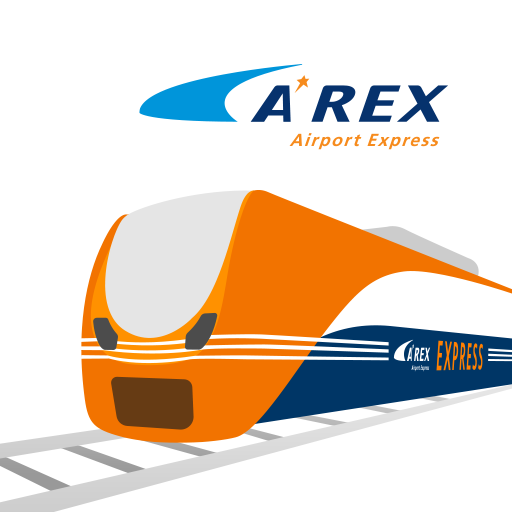
The easiest way from Incheon Airport into Seoul is the AREX train (Airport Railroad Express). It connects directly to Hongik University station and Seoul Station in the city center.
- Express train: 43 minutes to Seoul Station (~$10)
- All-stop train: ~60 min, much cheaper (~$4)
- Runs from 5:20am to midnight
- Luggage racks available on board
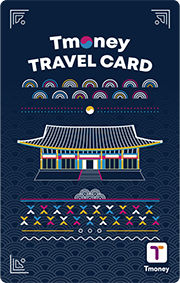
T-Money Card
Get a T-money card as soon as you land — it's a reloadable transit card that works on the subway, buses, and even some taxis across Korea.
- Buy at the airport convenience stores (GS25, CU)
- Costs about 4,000 KRW (~$3) to buy
- Load it at any subway station or convenience store
- Slightly discounted fares vs paying cash
What to Pack
- Light layers — mornings can be cool even in summer
- Comfortable walking shoes
- Rain jacket or compact umbrella (especially May-July)
- Modest clothing for temple visits
- Slip-on shoes
- Valid passport (6+ months remaining)
- US citizens do not need a visa for stays under 90 days
- Travel insurance documents
- Printed hotel/accommodation confirmations (recommended)
- Emergency contact list (recommended)
- Any prescription medications — bring enough for the trip
- Sunscreen — Korean sun can be intense in summer
- Motion sickness medicine if needed
- Basic first aid (bandaids, pain reliever)
- Allergy medicine if needed
- Hand sanitizer & masks are common in Korea
- Unlocked phone or get a Korean SIM at the airport
- Portable charger
- Universal adapter (Korea uses Type C plugs, 220V)
- Download Kakao Maps & Naver Maps before you go
- Download Papago for translation
- Notify your bank before traveling
- Bring some USD to exchange on arrival
- Korea is still largely cash-based outside of Seoul
- Myeongdong has the best exchange rates in Seoul
- ATMs at GS25 and 7-Eleven accept foreign cards
- Budget roughly 100,000–150,000 KRW per day
- Small day bag or backpack for sightseeing
- Reusable water bottle
- Tissues & wet wipes
- Learn a few Korean phrases
- Snacks for long travel days
Build Your Korea Trip
Customize your trip and see a realistic estimate based on your travel style.
Your Trip Estimate
$1,951
~ 2,614,000 KRW
Travel Tip
Staying in hostels and using Korea's subway system is the easiest way to keep costs low while exploring Seoul.